
Product training: Diaphragm valves
Compact and practical
Compact and practical
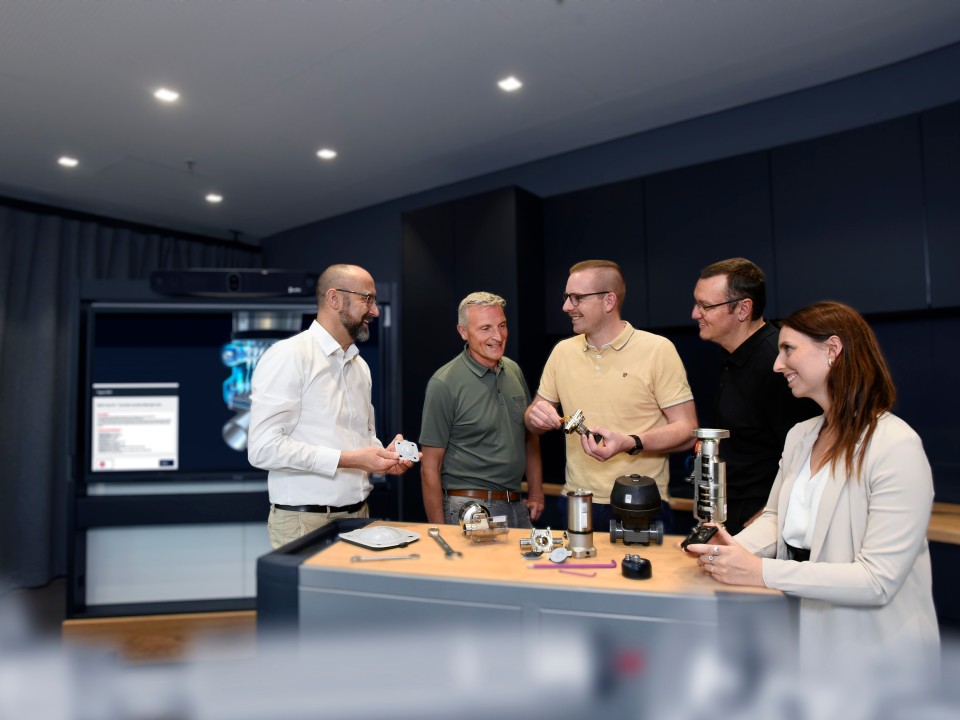
In the GEMÜ product training course "Diaphragm valves", you will acquire practical and application-orientated knowledge about the design, function and use of modern diaphragm valves. You will gain a sound insight into technical principles and industry-specific requirements: Clearly explained and directly transferable to your daily work.
This training course will help you to handle valve technology safely and efficiently - from theory to practical implementation. Below we provide you with a detailed overview of the content covered.
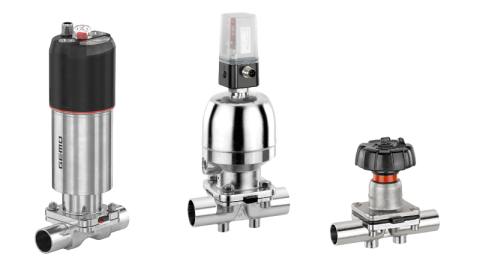
Functional principle
You will learn about the functional principle of modern diaphragm valves - comprehensibly, technically precise and with everyday practice in mind. You will learn how the special construction, the dead space-free design and the hermetic sealing of the medium contribute to safe, hygienic and efficient process control.
Product benefits
Using specific examples, we will show you the advantages diaphragm valves offer in industrial applications - for example with abrasive, corrosive or sensitive media. You will recognise how you can reduce downtime, lower maintenance costs and control processes more stably with the right type of valve.
Structure in detail
You will receive a structured overview of the key components of a diaphragm valve - from the housing and valve body to the diaphragm, seals and different actuator variants. In the training course, you will learn how these components interact and what role they play in performance, tightness and ease of maintenance.
Application and safety functions
You will learn about the different actuator types and their safety functions. We will show you when to use which variant - for example, for reset functions, emergency control positions or critical media.
Special variants
You will also gain an insight into customised diaphragm valves. These include special connection types, material combinations and customisation to individual operating parameters: Tailored to special requirements in industrial applications.
Industry-specific use cases
You will learn how diaphragm valves are used in industries such as pharmaceuticals, food technology, chemicals and water treatment - each with their own special requirements. Using practical examples, you will learn how the valves support safety, hygiene and process stability.
Technical selection criteria
You will understand which technical parameters are decisive in the selection process: Temperature, pressure, flow rate and media properties. We also cover requirements for cleanability, material compatibility and industry-specific standards and approvals - so that you can identify the right solution for every application.
Our trainers
Our trainers bring technical expertise, many years of industry experience and certified training expertise - exactly what you need in the application. Whether tool mechanics, mechanical engineering technology or service assignments in the field: you benefit from knowledge that will actually help you in your day-to-day work.
Professional background:
Certifications and specialisation:

Professional background:
Certifications and specialisation:

Professional background:
Certifications and specialisation:

Registration process
Please enter your contact details and select the product training "Diaphragm valves".
After submitting you will automatically receive a confirmation that your enquiry has been received.
A training expert will contact you by telephone to coordinate the training content, date and individual requirements.
A few days before the training, we will send you an overview with all the important information and organisational details.